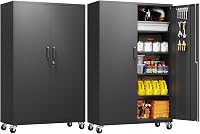
Metal vs Plastic Garage Cabinets: Which Is Better? (November 2026)
For metal vs plastic garage cabinets, choose Letaya steel for heavier tools, Suncast resin for mixed garage gear, or Sterilite plastic for lighter supplies and tool-free setup. Match shelf limits and usable space to what you'll store.
On this page (11 sections)
- Metal vs plastic garage cabinets: which material fits your garage?
- Which cabinet fits your storage needs?
- How should you compare shelf weight limits?
- Does plastic handle damp garages better than metal?
- How much space do you need around a garage cabinet?
- How should you assemble, position and secure the cabinet?
- What do the cabinet locks actually protect?
- How do you organize and care for either material?
- Which buying mistakes should you avoid?
- FAQ
- Which metal vs plastic garage cabinet should you choose?
For metal vs plastic garage cabinets, choose steel for heavier tools and plastic or resin for lighter supplies where rust resistance matters. Among these options, Letaya favors load capacity, Suncast suits mixed garage gear, and Sterilite makes setup simpler.
Start with what you need to store, not the cabinet's appearance. A tool case can fit the weight limit but miss the shelf opening, while several small containers can overload a shelf together.
 Best for light household supplies
Sterilite 4 Shelf Lockable Utility Cabinet

Metal vs plastic garage cabinets: which material fits your garage?
Metal suits heavier storage; plastic and resin suit many everyday supplies. The right choice still depends on the exact cabinet's shelf limits, usable space and installation needs.
Steel earns its place when you store dense tool cases, hardware or other heavy gear. A protective finish needs care, especially where tools scrape shelves or wet items touch the frame.
Plastic and resin avoid rust on their panels. They remain load-limited structures, so choose them because your storage fits their design, rather than assuming they can handle anything short of a full tool chest.
Resin belongs to the broader plastic category here. Compare the complete cabinet, including reinforced shelves and supports, instead of treating the material name as a separate strength grade.
A practical metal vs plastic garage cabinet check
Write down your heaviest shelf load and largest container first. Those 2 measurements can rule out an unsuitable cabinet before you compare locks or finishes.
Then consider your routine. Someone storing light cleaning supplies needs a different layout from someone lifting bulky tool cases several times a week.
Which cabinet fits your storage needs?
Choose Sterilite for light supplies, Suncast for mixed gear, or Letaya for heavier tools. Each solves a different storage problem, so the highest shelf capacity isn't automatically the best choice.
Sterilite: light supplies with simple setup
Sterilite suits cleaning cloths, empty plant pots, car-care accessories and household overflow. Its tool-free assembly makes it a practical option when you want enclosed storage without a hardware-heavy build.
Check container fit carefully: the interior shelves measure 17.65 in wide by 13.31 in deep. A tote that looks suitable beside the cabinet may still be too wide or deep for the shelf.
Skip this model if you want to collect dense tool cases on one level or store wide bins. Also allow space to lift containers out, rather than measuring only whether they can sit inside.
Its doors accommodate a standard-sized padlock. Use small removable bins to group loose supplies, and include each bin's weight when planning the load.
Suncast: mixed tools and lawn gear
Suncast fits buyers who want resin panels with more shelf capacity than the Sterilite. It suits a mix of hand tools, garden accessories and taller supplies that benefit from adjustable shelf spacing.
The doors have upper and lower latches and accept a padlock. Close both latches as intended rather than leaving one disengaged for convenience.
The compatible BMC3020 add-on shelf offers another layout option. Adding a shelf creates another storage level; it doesn't guarantee a higher total cabinet load allowance.
Skip Suncast if your planned loads already call for the steel option or its footprint crowds your parking space. Leave enough vertical clearance to remove tall items without dragging them against the shelf above.
Letaya: heavier tools and more shelf levels
Letaya is the better match for a heavier tool collection that needs several separate storage levels. Its three-point key lock, adjustable feet and rear wall-mounting pre-holes support a more involved setup than Sterilite's tool-free build.
Keep frequently used cases at a comfortable lifting height, with the heaviest suitable loads lower down. Don't put a heavy case overhead simply because the shelf can support it.
Skip this cabinet if you lack enough clear wall width or want minimal assembly. Paper and video instructions are provided, so plan time to follow the build sequence before loading anything.
Letaya says its powder-coated steel resists moisture, corrosion and rust. Protect that finish from scraping tools and deal with damage before exposed steel develops rust.
How should you compare shelf weight limits?
Compare the full planned load on each shelf, including containers. A cabinet that holds one heavy case may still be unsuitable once you add spare parts, chargers and a second case.
Group your gear by the shelf where you expect to keep it. Weigh loaded bins or cases when practical, rather than guessing from their size.
Follow the instructions for load distribution. A concentrated load from a small metal object stresses a shelf differently from several lighter items spread across its surface.
Don't multiply the shelf limit by the number of shelves and call that the cabinet's total capacity. Shelf supports, the base and the frame all form part of the load path.
Leave room for storage needs to grow instead of planning every shelf at its limit. Our guide to garage cabinet weight capacity explains the checks that matter before loading.
Does plastic handle damp garages better than metal?
Plastic and resin avoid panel rust, but neither makes stored gear moisture-safe. Choose the material after checking why the garage is damp and whether water reaches the cabinet location.
Sterilite describes its cabinet as resistant to dents, chips, peeling and rust. Suncast says its multi-wall resin panels resist dents, rust and rotting.
Those benefits help with surface upkeep. They don't guarantee a watertight seal, outdoor suitability or protection for a steel tool left wet inside.
Check the floor after rain and look for drips from nearby pipes or the garage door. Fix recurring water problems before placing valuable supplies in that spot.
Dry tools before putting them away, and keep liquids in suitable upright containers. A spill tray can help contain a small leak, but its weight and contents still count toward the shelf load.
If dampness is your main concern, compare the layouts in our plastic and resin garage cabinet guide. Choose a cabinet that suits your gear as well as the room.
How much space do you need around a garage cabinet?
Measure door clearance and usable shelf space, not just the cabinet footprint. You need enough room to open the doors, stand in front and remove the largest item safely.
The exterior sizes, in width by depth by height, are:
| Cabinet | Exterior size |
|---|---|
| Sterilite | 25 5/8 x 18 7/8 x 69 3/8 in |
| Suncast | 30 x 20.25 x 72 in |
| Letaya | 36 x 18 x 72 in |
Mark the footprint on the floor with tape. Park your car normally, then check whether you can open the cabinet and lift out a tool case without squeezing between obstacles.
Account for baseboards, outlets, pipes and anything stored overhead. Don't cover equipment or access points that need clearance.
Exterior depth doesn't equal usable shelf depth. Check the door opening and internal dimensions for rigid bins, especially when their handles or lids stick out.
Use our garage cabinet sizes guide to plan the space. If you're choosing several units, our guide to garage cabinet systems helps you plan how they work together.
How should you assemble, position and secure the cabinet?
Build the cabinet near its final position, level it and follow its anchoring instructions before loading. Good setup helps doors align and shelves sit correctly.
Clear enough floor space to sort parts without stacking panels against a car. Keep packaging beneath parts where helpful to protect their finish, then check that each connection is fully seated.
Sterilite weighs 39.5 lb, while Suncast weighs 66 lb. Consider both bulk and weight when arranging help; a tall assembled cabinet can be awkward to carry through a narrow doorway.
Don't use the doors or shelves as lifting handles. Empty a cabinet before relocating it, and follow its instructions on moving an assembled unit.
Letaya's adjustable feet help you level the frame. They don't replace wall attachment where the instructions call for it, and pre-holes don't determine which fasteners suit your wall.
Our guide to anchoring tall metal garage cabinets covers location and wall planning. Plastic cabinets also need their own safety instructions followed; material alone doesn't prevent tipping.
What do the cabinet locks actually protect?
Cabinet locks control casual access; they don't turn utility storage into a safe. Choose the door hardware for your household routine and the items you plan to store.
Sterilite and Suncast accept padlocks, while Letaya uses a keyed lock. Check that doors close properly before relying on any lock, and keep keys where authorized adults can find them.
Don't assume a lock makes a cabinet suitable for hazardous chemicals, fuels or other materials with special storage rules. Follow container labels and use storage designed for those needs.
A locked door also doesn't make a tall cabinet safe to climb. Keep appealing items out of children's reach and follow the cabinet's stability guidance.
How do you organize and care for either material?
Keep heavy items low, group supplies by task and clean spills promptly. A clear layout reduces digging and makes it easier to notice leaks or overloaded shelves.
Choose shelf heights around your actual containers. Leave enough hand space above each bin so you can lift it out without tipping its contents.
Use small trays for loose hardware and removable bins for light supplies. Avoid one large catch-all tote that becomes difficult to lift once full.
Keep daily-use tools within comfortable reach. Our guide to organizing garage cabinets explains how to group items without losing access to the back of a shelf.
For cleaning, follow the brand's care guidance and start with a soft cloth and mild cleaner where permitted. Avoid harsh solvents or abrasive pads that can damage plastic or a coated finish.
Check shelf supports, door alignment and visible damage after rearranging heavy gear. If a shelf bows or a connection shifts, unload it and resolve the cause before continuing to use it.
Which buying mistakes should you avoid?
Avoid buying by material alone or planning around an empty cabinet. Your filled storage layout matters more than how spacious the cabinet looks before shelves and bins go in.
- Counting only the heaviest item. Add everything sharing its shelf, including trays, cases and containers.
- Using exterior measurements for bin fit. Door openings, supports and usable shelf depth can reduce storage space.
- Filling every level tightly. Leave room to grip containers and adjust the layout as your needs change.
- Choosing a tall cabinet for oversized gear. A cabinet isn't useful if the item can't pass through the opening.
- Planning to move it while loaded. Empty and secure it according to the instructions before relocation.
- Treating rust resistance as weather protection. Address moisture at its source and keep wet tools out.
Before buying, sketch where your main groups of items will go. If the plan needs overfilled shelves or blocked doors to work, choose a different layout.
FAQ
Use the exact cabinet limits and safety instructions to make the final checks. These answers explain the material differences without treating every steel or resin cabinet as identical.
Are metal or plastic garage cabinets stronger?
Choose by the cabinet's stated load limits rather than material alone. Steel is the better fit for heavier tools among these options, but shelf design and support also matter.
Check how the load must be spread, and don't assume a shelf limit also describes the cabinet's total capacity.
Do plastic garage cabinets rust?
Plastic and resin panels don't rust like steel, which makes them useful where surface rust is a concern. Their contents still need protection from moisture.
Check for leaks and condensation, dry tools before storage, and don't assume closed cabinet doors provide a watertight seal or make the cabinet suitable outdoors.
Should a metal garage cabinet be anchored?
Anchor a metal garage cabinet according to its safety instructions, using fasteners suited to the wall structure. Letaya has rear pre-holes for wall mounting.
Level the cabinet before securing it, and follow the assembly order so the frame sits square and the doors work properly before you load it.
Are resin cabinets suitable for garage tools?
Resin cabinets suit hand tools and garage gear when each shelf's load and usable dimensions fit the items. Add together everything sharing a shelf, including bins and cases.
For dense tool collections, compare the required load with the cabinet's limits before choosing resin simply for its resistance to rust.
Which metal vs plastic garage cabinet should you choose?
Choose Sterilite for light supplies and simple assembly, Suncast for mixed gear in resin storage, or Letaya for heavier tools. In a metal vs plastic garage cabinets decision, let your loaded shelves and available space settle the choice.
Rule out any cabinet that fails your heaviest shelf load or largest container first. Then choose the setup and care routine you're willing to maintain.
For options beyond these 3, use our complete garage storage cabinet guide to match the cabinet style to the rest of your garage.
Frequently asked questions
Are metal or plastic garage cabinets stronger?
Choose by the cabinet's stated load limits rather than material alone; steel is the better fit for heavier tools among these options, but shelf design and support also matter. Check how the load must be spread, and don't assume a shelf limit also describes the cabinet's total capacity.
Do plastic garage cabinets rust?
Plastic and resin panels don't rust like steel, which makes them useful where surface rust is a concern; their contents still need protection from moisture. Check for leaks and condensation, dry tools before storage, and don't assume closed cabinet doors provide a watertight seal or make the cabinet suitable outdoors.
Should a metal garage cabinet be anchored?
Anchor a metal garage cabinet according to its safety instructions, using fasteners suited to the wall structure; Letaya has rear pre-holes for wall mounting. Level the cabinet before securing it, and follow the assembly order so the frame sits square and the doors work properly before you load it.
Are resin cabinets suitable for garage tools?
Resin cabinets suit hand tools and garage gear when each shelf's load and usable dimensions fit the items; add together everything sharing a shelf, including bins and cases. For dense tool collections, compare the required load with the cabinet's limits before choosing resin simply for its resistance to rust.